
The Accessible Canada Act (ACA) represents a significant milestone in creating an inclusive and barrier-free Canada. Enacted in 2019, the ACA’s primary goal is to identify, remove, and prevent accessibility barriers in federal jurisdictions, ensuring equal participation for all Canadians, particularly individuals with disabilities. This comprehensive legislation is crucial to building an inclusive society where accessibility is a fundamental right, not a privilege.
What is the Accessible Canada Act?
The Accessible Canada Act (ACA) is a federal law designed to eliminate barriers in areas under federal jurisdiction, such as transportation, communications, and federally regulated workplaces.
The Act was introduced to address systemic accessibility challenges and promote inclusivity across Canada. It matters because it directly impacts millions of Canadians with disabilities, empowering them to participate fully in society without facing unnecessary obstacles.
The ACA emphasizes proactive measures to prevent barriers rather than reacting to complaints, setting a new standard for accessibility legislation.
Key Principles of the Accessible Canada Act
The Accessible Canada Act is built on several guiding principles that reflect its commitment to inclusivity and equality:
- Dignity: Ensuring that individuals with disabilities are treated with respect and value.
- Equality of Opportunity: Providing equal access to opportunities for all Canadians, regardless of ability.
- Barrier-Free Access: Removing physical, systemic, and digital barriers that impede participation.
- Inclusive Design: Encouraging the development of environments and services that are accessible from the outset.
- Meaningful Participation: Engaging individuals with disabilities in the development and implementation of accessibility measures.
Organizations and Sectors Covered in The Accessible Canada Act
The ACA applies to areas under federal jurisdiction, including
- Transportation: Airlines, railways, interprovincial buses, and ferries.
- Communications: Broadcasting, telecommunications, and internet services.
- Banking and Finance: Federally regulated financial institutions.
- Federal Workplaces: Government departments, Crown corporations, and federally regulated private sector businesses.
- Public Services: Services provided by federal agencies and entities.
Essential Requirement for Organizations under the Accessible Canada Act
To comply with the Canadian accessibility standards, organizations must:
- Develop Accessibility Plans: Outline strategies for identifying, removing, and preventing barriers.
- Establish Feedback Mechanisms: Create systems to gather and address feedback on accessibility issues.
- Prepare Progress Reports: Regularly update on the implementation and effectiveness of accessibility measures.
- Meet Accessibility Standards: Align operations with the standards established by the ACA to ensure barrier-free access.
Which Provinces and Territories Have Accessibility Legislation?
The ACA covers federal jurisdiction. Eight provinces have enacted their own accessibility legislation; the rest rely on human rights law, which prohibits discrimination and imposes a duty to accommodate but does not set proactive accessibility standards.
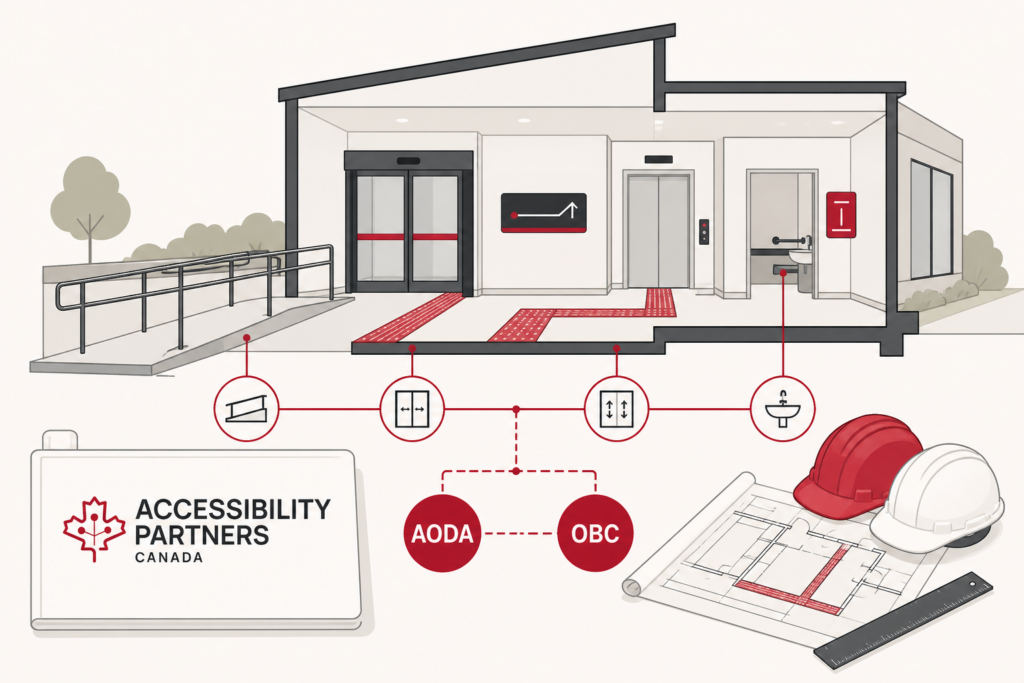
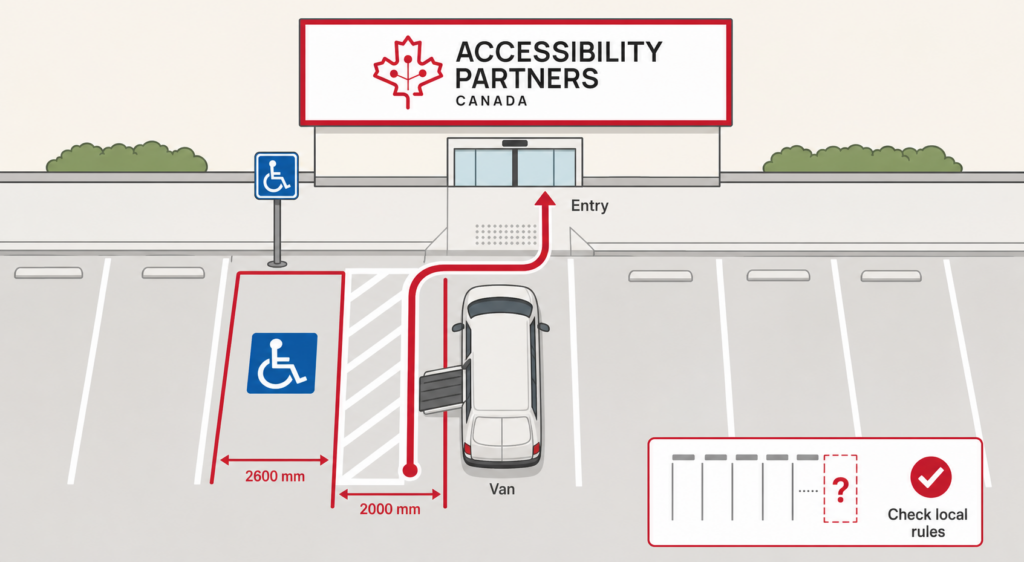
Ontario: The Accessibility for Ontarians with Disabilities Act (AODA, 2005), the country’s first comprehensive accessibility law, with enforceable standards for information and communications, employment, transportation, customer service, and the design of public spaces, plus mandatory compliance reporting. The Act set 2025 as its target for an accessible Ontario, and compliance work continues past that date.
Manitoba: The Accessibility for Manitobans Act (2013), with standards covering customer service, employment, information and communications, transportation, and the built environment.
Nova Scotia: The Accessibility Act (2017), targeting an accessible province by 2030.
British Columbia: The Accessible British Columbia Act (2021), which requires designated organizations to establish accessibility committees, accessibility plans, and public feedback mechanisms.
Newfoundland and Labrador: The Accessibility Act (2021).
Saskatchewan: The Accessible Saskatchewan Act, which received Royal Assent on May 17, 2023 and came into force on December 3, 2023. It requires accessibility plans from public sector bodies, with detailed standards to follow through regulation.
New Brunswick: The Accessibility Act (SNB 2024, c. 27), which received Royal Assent on June 7, 2024, with provisions coming into force in phases beginning August 30, 2024. Accessibility standards are in development.
Quebec: The Act to secure handicapped persons in the exercise of their rights (1978, substantially updated in 2004), which requires public bodies and municipalities to adopt annual accessibility action plans.
Alberta, Prince Edward Island, Yukon, Northwest Territories, and Nunavut: These jurisdictions have not enacted accessibility legislation. Obligations there come from human rights legislation and its duty to accommodate, from the federal ACA for federally regulated organizations, and from building codes and procurement requirements. Organizations in these jurisdictions are not free of obligations; they simply have no provincial or territorial accessibility statute setting proactive standards.
How Businesses can Prepare for Compliance with the Accessible Canada Act?
To prepare for compliance with the Accessible Canada Act, businesses should take proactive measures:
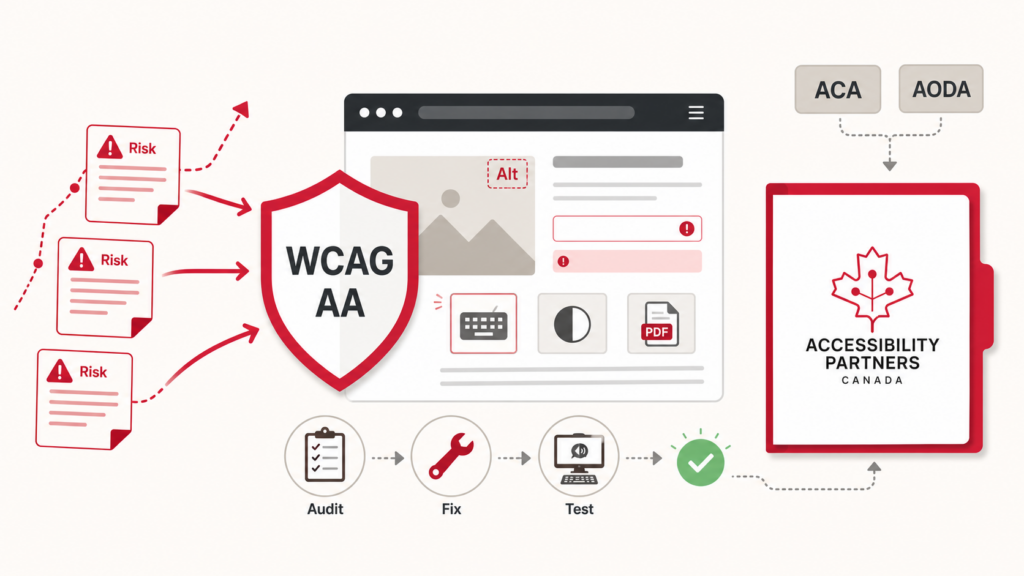
- Conduct Accessibility Audits: By conducting regular accessibility audits, businesses can identify existing barriers in facilities, digital platforms, and processes.
- Develop a Comprehensive Accessibility Plan: Address specific barriers with clear objectives and timelines.
- Train Employees: Equip staff with knowledge of accessibility standards and inclusive practices through role-specific training.
- Engage Stakeholders: Involve individuals with disabilities in planning and decision-making.
- Monitor and Update: Continuously review and refine accessibility measures to adapt to evolving standards and feedback.
The Impact of the Accessible Canada Act on Canadians
The Accessible Canada Act has a profound impact on improving accessibility for Canadians with disabilities. By removing barriers in transportation, communications, and public services, the Act fosters greater independence and social inclusion. It also benefits society as a whole by promoting diversity, enhancing economic participation, and creating equitable opportunities for all Canadians.
Conclusion
The Accessible Canada Act is a transformative step toward creating a barrier-free Canada. By understanding its purpose, principles, and requirements, organizations can take meaningful action to comply with the Act and foster inclusivity. As accessibility becomes a shared responsibility, Canadians can look forward to a future where everyone has the opportunity to thrive.