In recent years, the number of web accessibility lawsuits has seen a sharp rise in Canada and around the world. As digital experiences become central to how businesses serve customers, website accessibility is now more than a best practice—it’s a legal obligation.
In Canada, the Accessible Canada Act (ACA) requires federally regulated organizations to remove digital barriers, and many provinces (like Ontario under AODA) have similar mandates. The consequences of non-compliance are growing—leading to costly lawsuits, reputational damage, and missed market opportunities.
This guide explores why accessibility lawsuits are increasing, who’s most at risk, and how you can protect your business.
Why Are Web Accessibility Lawsuits Increasing?
There are several key reasons for the rise in accessibility lawsuits:
- Greater awareness among users about their legal rights
- Increased activity from advocacy groups holding organizations accountable
- High-profile lawsuits (like Domino’s Pizza and Winn-Dixie) setting legal precedent
- A growing digital divide where many websites remain inaccessible to users with disabilities
In the United States, more than 4,500 federal digital accessibility lawsuits were filed in 2023 under the ADA. Canada’s route is different: web accessibility complaints proceed through the Canadian Human Rights Commission for federally regulated organizations and through provincial human rights tribunals for everyone else, and that number is expected to grow. In Canada, the enforcement of ACA and provincial acts like AODA has created new compliance expectations for both the public and private sectors.
Understanding the Legal Landscape
Website accessibility in Canada is governed by a mix of federal and provincial legislation.
- Accessible Canada Act (ACA): Applies to federally regulated entities like banks, telecom providers, and government services.
- AODA (Ontario): Requires designated public sector organizations and organizations with 50 or more employees to make their public websites and web content conform to WCAG 2.0 Level AA.
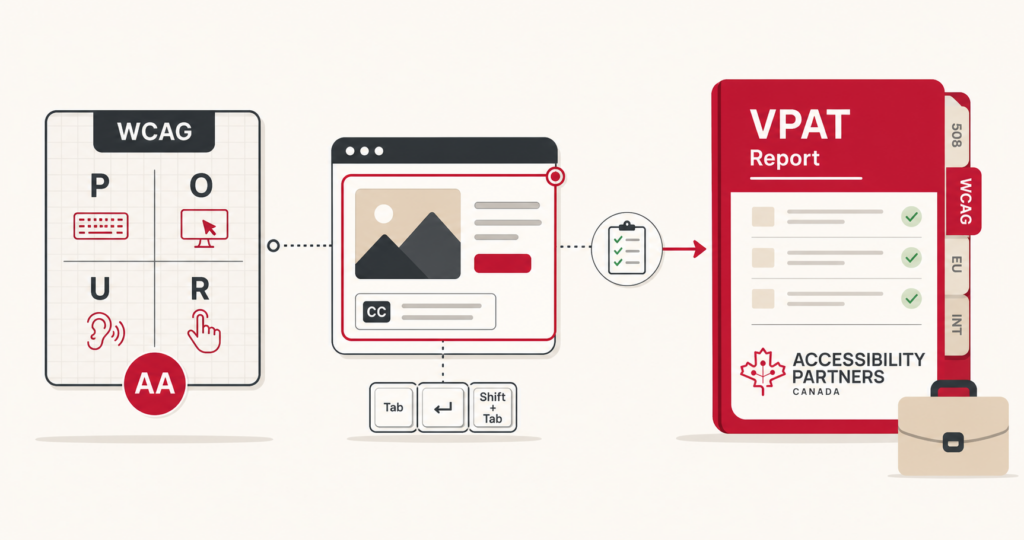
- WCAG (Web Content Accessibility Guidelines): The global benchmark for building accessible websites.
Notably, U.S.-based court cases like Robles v. Domino’s Pizza (a US case; it sets no precedent in Canadian law but shows where courts are heading) have expanded public understanding of digital accessibility as a civil right. Canadian courts are beginning to see similar arguments made under human rights frameworks and the ACA.
Who Is at Risk?
Any organization with a public-facing digital presence is at risk—especially those in the following sectors:
- E-commerce: Retailers with inaccessible checkout flows or product descriptions.
- Healthcare: Clinics and hospitals with inaccessible appointment systems.
- Education: Universities and colleges with inaccessible learning platforms.
- Hospitality: Hotels with inaccessible booking forms or information.
Even small businesses with fewer resources can be targeted if their websites prevent equal access. If you operate a business that provides goods or services online, you are responsible for ensuring that your content is usable by everyone.
Common Web Accessibility Issues That Trigger Lawsuits
Here are some of the most frequent accessibility barriers cited in lawsuits:
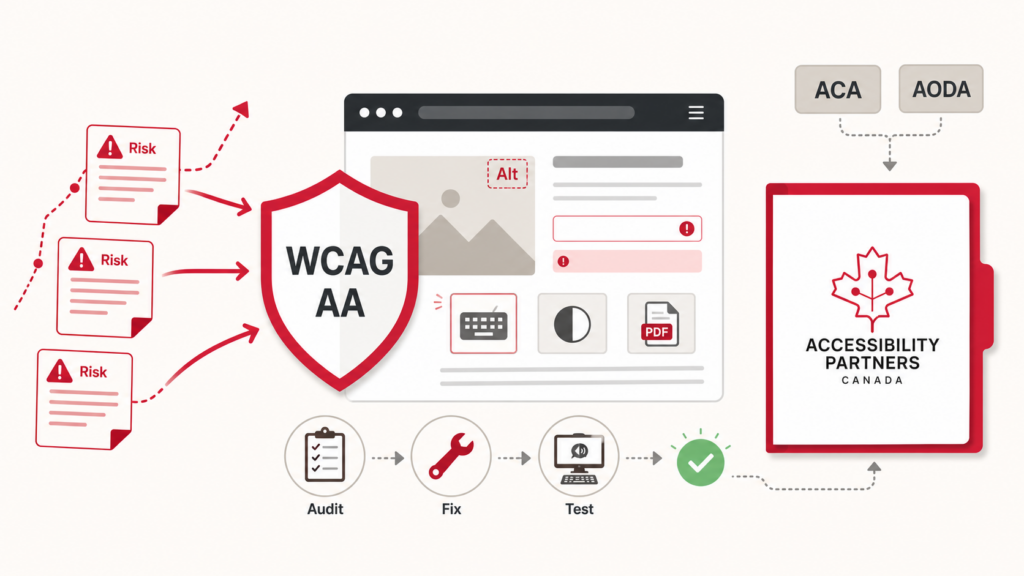
- Missing alt text on images, making visuals unreadable for screen readers
- Inaccessible forms with unlabeled fields or poor error messaging
- Lack of keyboard navigation, excluding users who can’t use a mouse
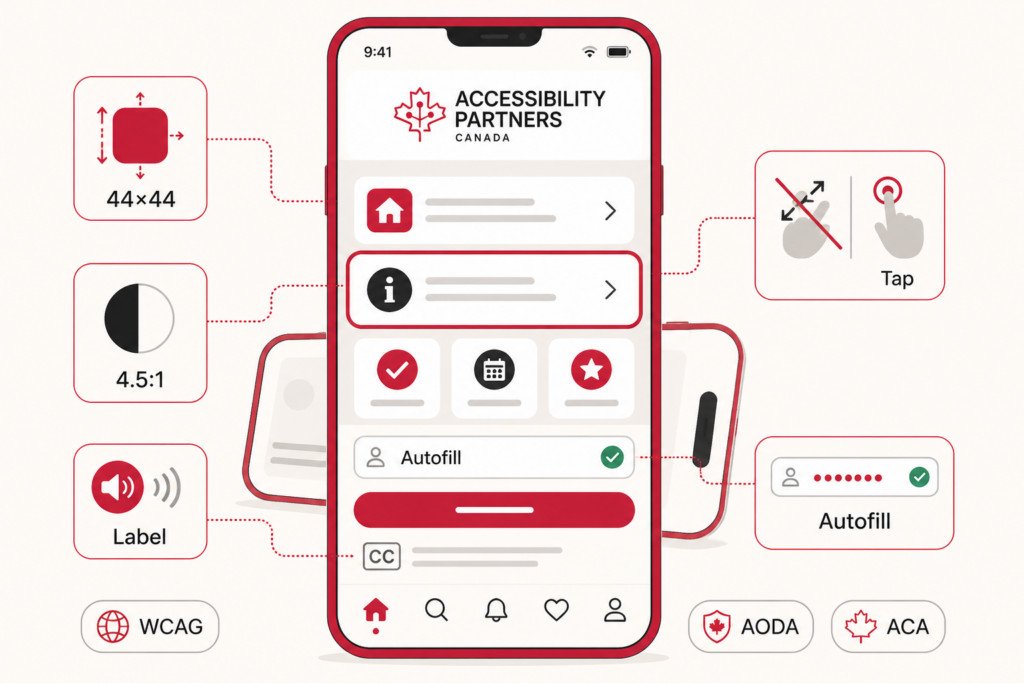
- Poor colour contrast, making text unreadable for visually impaired users
- Non-compliant PDFs or documents embedded on websites
- Missing captions or transcripts on video and audio content
While these may seem minor, they create significant barriers for users with disabilities—and are the basis of many legal claims.
How to Protect Your Business
1. Conduct an Accessibility Audit
Start with a full website accessibility audit using both automated tools and manual testing by experts.
2. Fix WCAG Violations
Address issues identified in the audit by applying WCAG 2.1 or 2.2 best practices. This includes improving contrast, labeling forms, and enhancing navigation.
3. Test with Assistive Technologies
Use tools like JAWS, NVDA, VoiceOver, and keyboard-only navigation to simulate real-world accessibility experiences.
4. Work with Accessibility Experts
Partner with specialists like Accessibility Partners to ensure you’re meeting technical, legal, and usability standards.
The Cost of Non-Compliance
Failing to address accessibility can have significant consequences:
- Legal penalties or settlements, often reaching tens of thousands of dollars
- Costly rework of your website post-lawsuit
- Mandatory monitoring and remediation orders
- Loss of customers and damage to your brand reputation
Compliance is always less expensive than the cost of inaction.
Benefits of Proactive Accessibility Compliance
Accessibility isn’t just about avoiding lawsuits—it’s a competitive advantage:
- Expand your audience: Reach the 8.0 million Canadians aged 15 and over living with a disability — 27% of the population (Canadian Survey on Disability, 2022).
- Boost SEO: Accessible websites are more easily indexed by search engines.
- Enhance usability: Improvements benefit all users, including those on mobile or with temporary impairments.
- Strengthen brand trust: Demonstrating social responsibility builds loyalty and positive perception.
Conclusion
The rise in web accessibility lawsuits is a clear signal that digital inclusion is no longer optional—it’s essential. Every organization with a public-facing website should prioritize accessibility as a core part of their digital strategy.
By identifying barriers, implementing WCAG best practices, and partnering with trusted consultants, your organization can stay ahead of legal risks while building a more inclusive future.
Schedule an Accessibility Audit with Accessibility Partners today and take the first step toward compliance and inclusion.