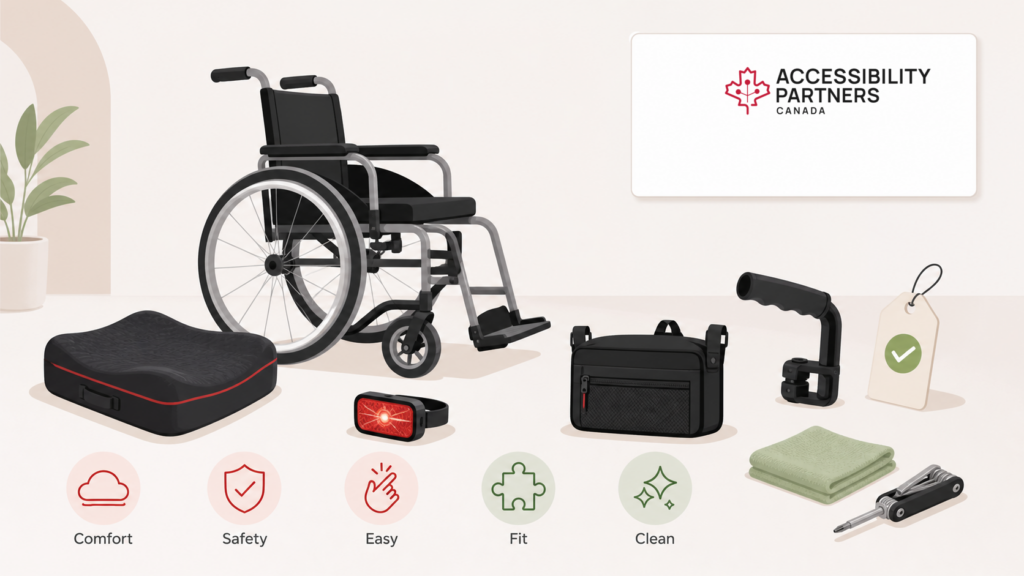
Wheelchair accessories are not just optional add-ons, they are crucial tools that can greatly improve the quality of life for users. The right accessories can significantly enhance comfort, safety, and independence, making a big difference in how a wheelchair functions in everyday life. Whether you are using a manual or power wheelchair, incorporating the right accessories can elevate your mobility experience and make a variety of daily tasks much easier.
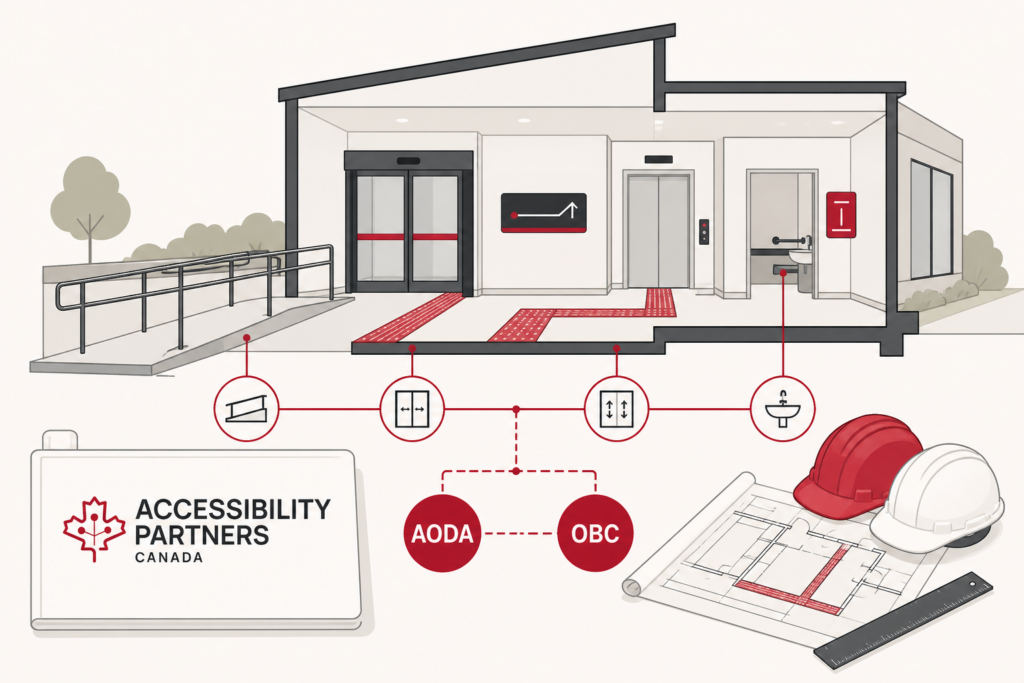
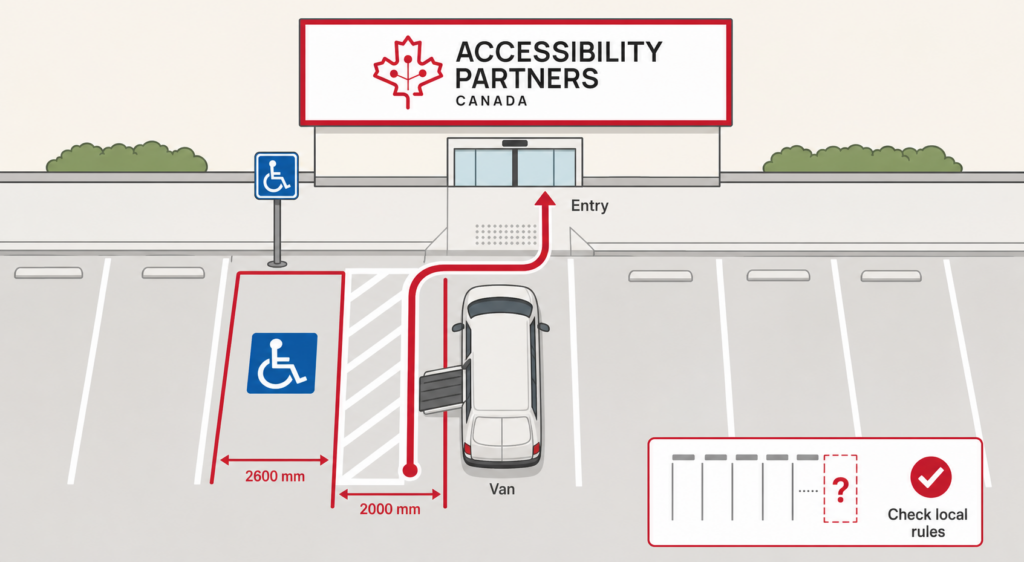
However, personal mobility solutions work best when the surrounding spaces are also accessible. Conducting a built environment accessibility audit can help identify barriers in entrances, pathways, doorways, and interior layouts, ensuring that physical environments properly support wheelchair users.
From running errands to enjoying outdoor activities, wheelchair accessories help users navigate diverse environments with ease. These accessories are essential for increasing safety, offering greater comfort, and improving overall accessibility. Let’s take a closer look at some of the must-have wheelchair accessories that can help users live more independently.
In this blog, we’ll explore must-have accessories for wheelchairs that support users in navigating daily tasks more easily – from travel and shopping to outdoor outings and indoor convenience.
Why Wheelchair Accessories Matter for Us
Wheelchair accessories are more than just convenience-they are key to creating a lifestyle that accommodates the needs of the user. By providing practical solutions for everyday challenges, these accessories help users regain autonomy and ease of use. From improving posture to providing security during movement, the right accessories remove barriers and offer greater flexibility.
For instance, a simple addition like a wheelchair bag can give a user the ability to carry groceries or personal belongings without needing external assistance. Safety lights improve visibility during evening outings, while lap trays provide a comfortable surface for meals or work. These accessories are game-changers that enhance both function and comfort, empowering users to live with greater freedom.
Essential Wheelchair Accessories
Here are some key wheelchair accessories, organized by category:
Comfort Accessories
- Cushions – Prevent pressure sores and improve sitting posture for long-term use.
- Backrests and Lumbar Support – Offer spinal support and reduce strain during extended sitting.
- Armrest Pads – Provide padded comfort for elbows and forearms.
Safety Accessories Every Wheelchair Needs
- Wheel Locks and Anti-Tip Bars – Prevent accidents by stabilizing the chair when stationary.
- Reflectors and Safety Lights – Boost visibility during low-light conditions or at night.
- Seat Belts and Harnesses – Add security during movement, especially on slopes or ramps.
Safe mobility also depends on understanding how to make buildings more accessible for wheelchair users.
Mobility & Convenience Accessories
- Joystick Extensions (for power wheelchairs) – Make controlling the chair easier and more ergonomic.
- Transfer Boards – Help users move between the wheelchair and other surfaces like beds or cars.
- Reachers/Grabbers – Allow users to pick up or reach items without overextending.
Weather & Outdoor Accessories
- Wheelchair Ponchos or Rain Covers – Keep users dry in rainy or snowy weather.
- Canopies or Sunshades – Protect users from sun exposure and overheating.
- Wheel Covers and Tire Protection – Help maintain traction and cleanliness in outdoor terrain.
Storage & Organization
- Wheelchair Bags and Pouches – Hold personal items, medication, or devices safely.
- Cup Holders – Keep beverages within easy reach.
- Under-Seat Storage Baskets – Store larger items discreetly and securely.
Choosing the Right Accessories
When selecting attachments for wheelchairs, focus on:
- Comfort – Choose items that prevent strain and support posture.
- Safety – Prioritize accessories that reduce fall risk or improve stability.
- Ease of Use – Select tools that are intuitive and require minimal effort.
- Compatibility – Ensure the accessory fits your specific wheelchair model (manual or powered).
- Maintenance – Look for durable materials that are easy to clean and maintain.
A good accessory should feel like a natural extension of the user’s lifestyle – not a burden.
Accessibility & Compliance Considerations
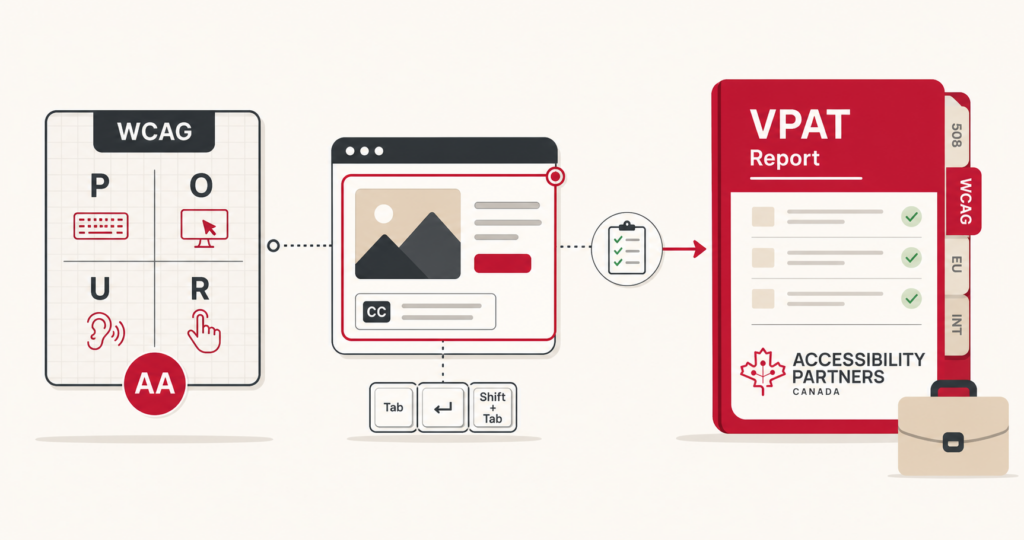
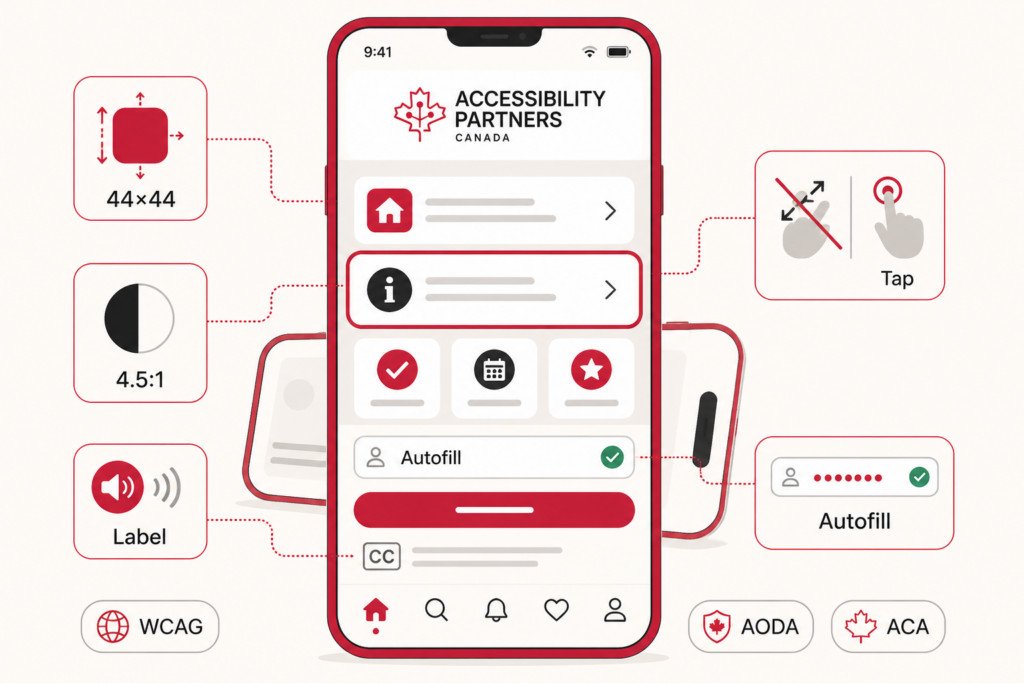
It’s important to choose accessories that meet safety requirements and align with recognized accessibility guidelines. In addition to personal mobility solutions, compliance with broader accessibility standards in construction and design ensures that built environments properly support wheelchair users.
- Universal design – Tools should accommodate a variety of users and settings.
- Regulatory compliance – Ensure products align with safety regulations or mobility aid standards in your region.
- Environmental suitability – Select accessories suited for both indoor and outdoor use.
Working with certified vendors or accessibility consultants can help ensure you’re choosing products that truly support independence and inclusion. Organizations seeking accessibility expertise in different regions can explore our accessibility consulting locations to find support for accessibility planning, compliance, and inclusive design initiatives across Canada.
Conclusion
Choosing the right wheelchair accessories can profoundly enhance your daily experiences, making tasks easier, safer, and more comfortable. From comfort-focused accessories like cushions and backrests to mobility solutions like transfer boards and reachers, there are endless ways to personalize a wheelchair to fit your needs. By selecting the right tools, users can enjoy a greater sense of freedom, independence, and quality of life.
Don’t underestimate the impact that these small improvements can make. If you need help choosing the best wheelchair accessories or have any questions, don’t hesitate to reach out to Accessibility Partners Canada for expert guidance and support.