AODA compliance is a legal requirement in Ontario aimed at creating a more inclusive society. AODA stands for the Accessibility for Ontarians with Disabilities Act, and it sets the standards that public and private organizations must follow to remove barriers and make their spaces, services, and information accessible to everyone. Understanding what does AODA stands for, who it applies to, and what steps are needed is essential for any organization operating in Ontario.
Ontario is a Leader in Accessibility Standards
Ontario was the first Canadian province to legislate accessibility through the Accessibility for Ontarians with Disabilities Act, enacted in 2005. While the Ontario Human Rights Code has protected people with disabilities for decades, AODA goes further by setting enforceable deadlines and penalties. The AODA standards apply to all sectors, ensuring AODA compliance Ontario-wide. These laws drive businesses and institutions to remove physical, communication, technological, and policy barriers, bringing accessibility to the forefront.
What is AODA Compliance in Ontario?
AODA compliance refers to meeting the requirements outlined in the act’s five core standards. It applies to all public-sector bodies and private organizations with one or more employees in Ontario. These standards impact how businesses operate and deliver services, from building access to hiring practices. The act’s mission is to make Ontario fully accessible by 2025. To achieve this, organizations must provide AODA accessibility/IASR training, develop accessibility policies, and submit compliance reports.
Update, September 2026: the 2025 AODA milestone has now passed; full accessibility was not achieved province-wide by that date.
What are the 5 Standards Under the AODA?
The five AODA standards cover key aspects of public interaction and service delivery:
- Customer Service Standard: Ensures accessible service policies, staff training, and communication for clients with disabilities.
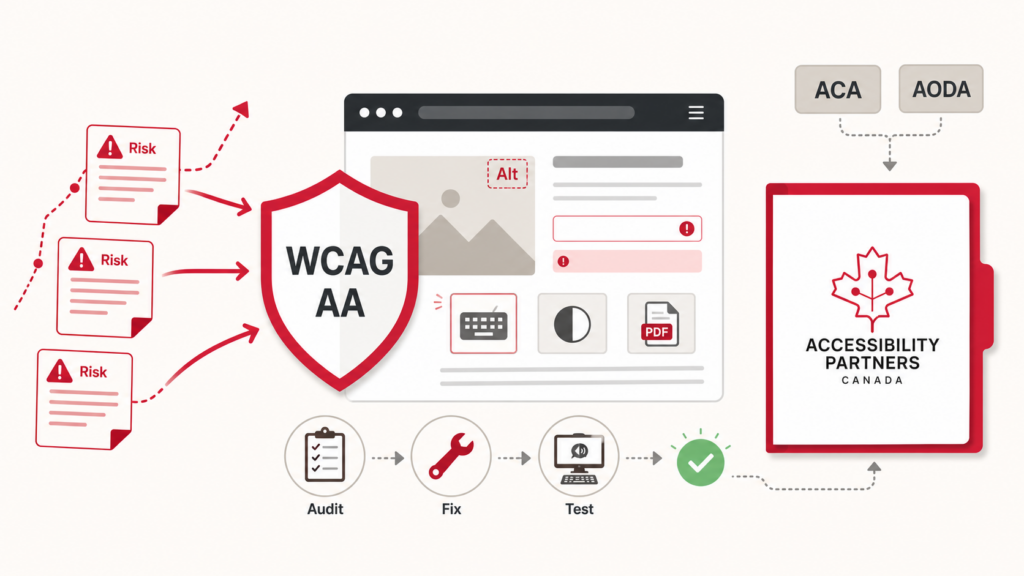
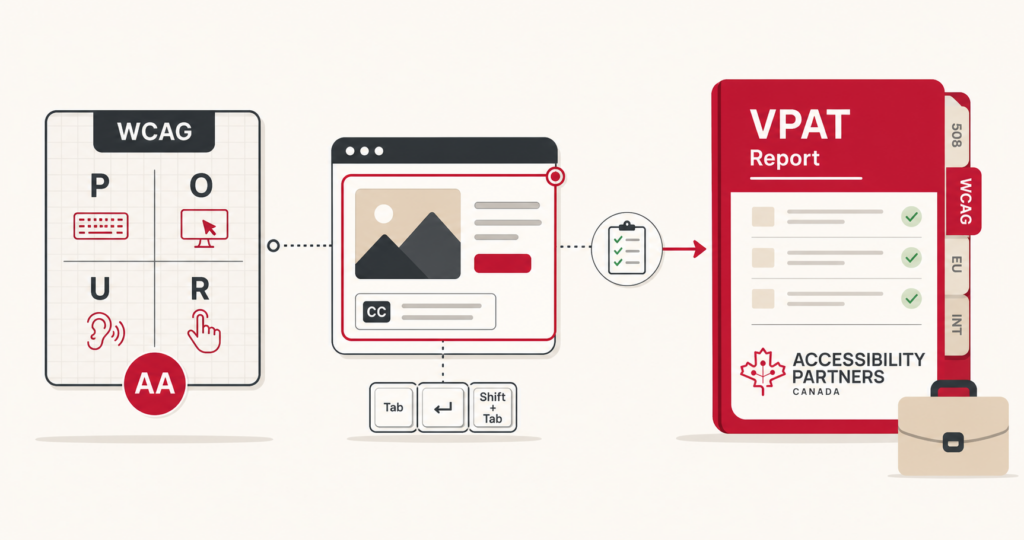
- Information and Communications Standard: Requires that public information, print and digital is made accessible, including accessible websites.
- Employment Standard: Employers must offer equal access to job opportunities, accommodations, and career advancement.
- Transportation Standard: Makes public transit and service provider vehicles accessible for everyone.
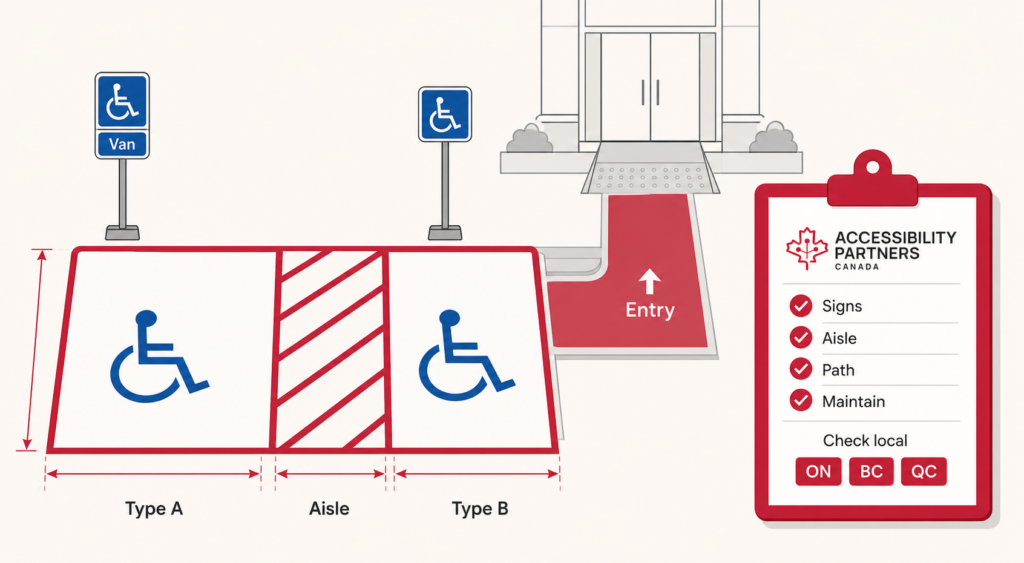
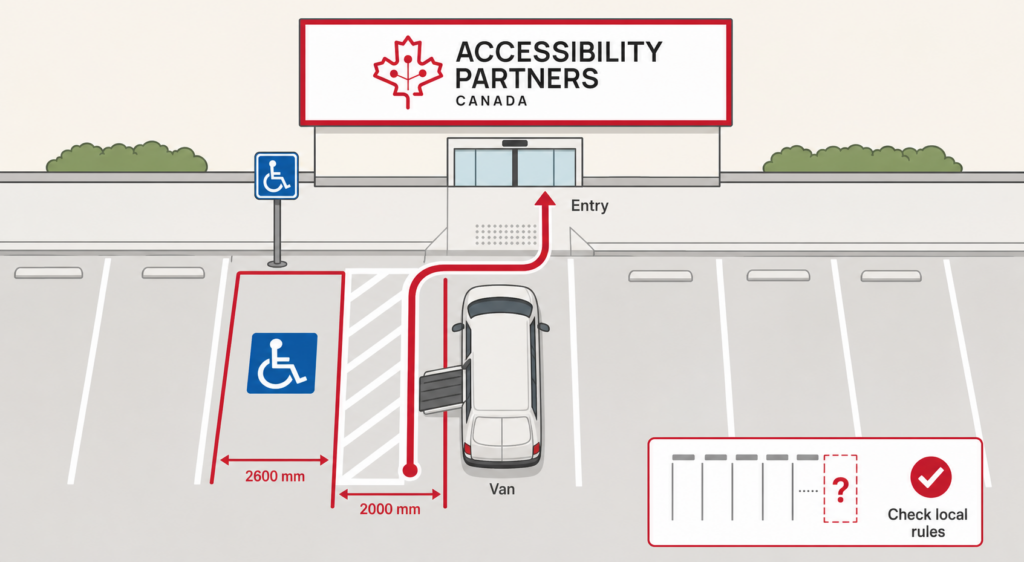
- Design of Public Spaces Standard: Guides how outdoor spaces like parks, sidewalks, and parking spaces are constructed to be inclusive.
The AODA standards apply to businesses and organizations across Ontario, providing a clear framework for removing accessibility barriers.
What Disabilities Are Covered Under AODA?
What is AODA without understanding who it’s for? AODA defines disability broadly, encompassing:
- Mobility impairments (e.g., wheelchair users)
- Visual or hearing impairments
- Learning disabilities and developmental disabilities
- Mental health conditions
- Chronic illnesses or brain injuries
By using this inclusive approach, AODA ensures all Ontarians benefit, especially as the population ages and the number of people with disabilities increases.
Why AODA Compliance Matters for Businesses
For organizations seeking support with compliance planning and implementation, experienced AODA consultants in Windsor can help navigate Ontario’s accessibility requirements and develop practical compliance strategies. The standards ensure organizations create equal access to employment, products, and services. This helps businesses:
- Strengthen their reputation and trust with the public
- Meet obligations under the Ontario Human Rights Code
- Avoid financial penalties and legal risks
- Demonstrate social responsibility and inclusion
Incorporating AODA’s Integrated Accessibility Standards Regulation (IASR) improves accessibility now and helps prepare for future federal legislation.
Why Do We Need the AODA?
Creating an accessible Ontario benefits everyone. Still, some organizations hesitate due to cost or resource concerns. AODA addresses this with enforceable deadlines and penalties, making accessibility work a smart business decision. This shift has helped drive meaningful change and progress since 2005, improving life for countless people across the province.
What is the Purpose of AODA?
The AODA meaning lies in its vision: an Ontario where every person can participate fully in society, regardless of disability. The act outlines specific goals and timelines to guide this transformation. It makes AODA compliance a shared responsibility among public, private, and nonprofit sectors, integrating accessibility into planning, hiring, communication, and public space design.
What is the Deadline for AODA Compliance?
The next AODA compliance report for Ontario businesses and non-profits with 20 or more employees is due December 31, 2026. Key deadlines include:
- Web accessibility: WCAG 2.0 Level AA was required by January 1, 2021, for organizations with 50+ employees.
- Compliance reports: Required regularly from businesses with 20+ employees.
- Training and policy development: Ongoing and mandatory for all sectors.
These timelines hold organizations accountable, ensuring continual progress toward accessibility.
The AODA is the Standard for Accessibility in Canada
Even outside Ontario, businesses are adopting AODA’s principles. As the first accessibility law in Canada, it’s influenced national policies like the Accessible Canada Act. Its emphasis on web content, physical access, and communication standards has set a benchmark that informs other provincial legislation.
Accessibility Partners has led compliance initiatives across Ontario, helping businesses build inclusive workplaces and public environments. From accessibility audits to digital remediation, we support organizations in meeting their responsibilities under the AODA.