Our Blogs

A hand presses a translucent button labeled 'UX User Experience,' surrounded by keywords like 'simplicity,' 'emotion,' and 'accessibility.' This is the new standard for UX and web accessibility, highlighting the importance of user-centered design and inclusivity.
Nowadays, it's not just about having a website. It's about making sure that everyone, including people with disabilities, can access and use it.
A group of people collaborates around a table, with laptops and tablets, discussing a mobile app design displayed on a computer screen, exploring the reasoning behind accessibility testing.
Have you tested your website recently? Not for common error pages or new customer journey maps but to see if users with disabilities can use the website as seamlessly as those without disabilities.
Two hands engage in a design discussion over smartphone mockups and a laptop displaying app layouts and coding screens, exploring how to test your website for accessibility.
What can you do as a business, or organization, to ensure disabled users can access the content, products, and services they need as your business adopts new technologies?
Yellow wheelchair symbol on a Canadian flag background, highlighting accessibility and inclusivity in Canada, representing Accessibility Acts in Canada.
Those with disabilities deserve the right to communicate and engage with society as easily as those without disabilities do. Although there are international laws to initiate accessibility standards, Canada has taken extra steps toward becoming a more accessible country for individuals.
A person typing on a laptop displaying 'Compliance,' 'Regulations,' and 'Standards,' with a notebook and coffee in the background, illustrating AODA Compliance Requirements for Websites.
The AODA refers to the Accessibility for Ontarians with Disabilities Act which is an accessibility law that requires both individuals and organizations to follow accessibility standards in both public and private sectors.
A person interacts with a laptop displaying a disabled friendly online banking login page, emphasizing digital finance services.
Over the years, the financial industry has adapted to the convenience of online banking. It has become an essential service that provides loans, checking and savings accounts, and investment opportunities that millions of people rely on at the click of a button.
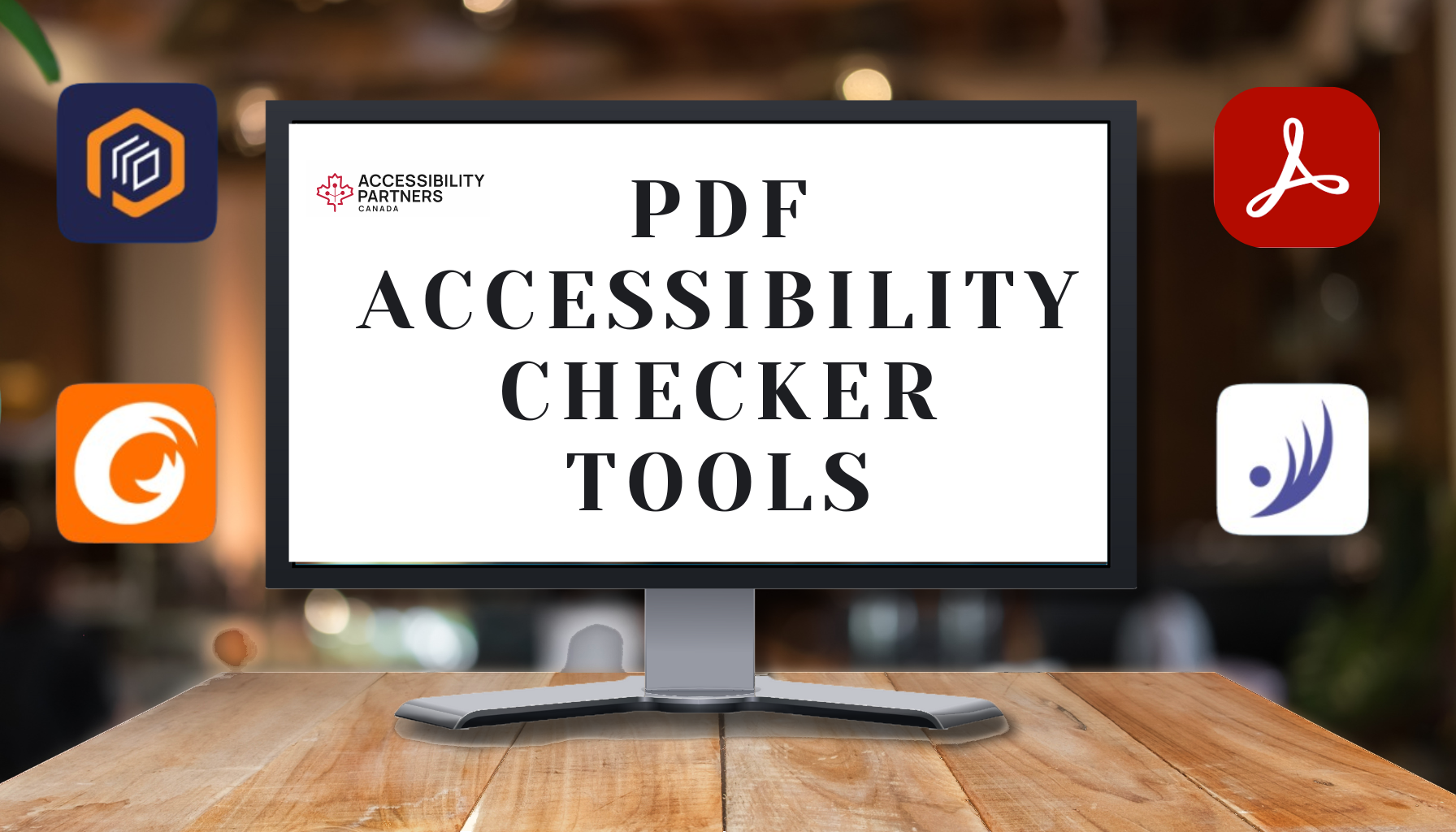
A monitor displays "PDF Accessibility Checker Tools" with icons from various PDF accessibility software on a wooden desk.
In an increasingly digital world, it’s crucial to ensure that information shared online is accessible to everyone. This includes emails, articles on websites, and especially PDF files. PDF files have become popular for sharing information because they can be accessed anywhere, making it quick and easy to provide documents to people.

Close-up of a keyboard featuring a large blue key labeled "PDF" with a document icon, surrounded by standard black keys — representing accessible PDF and what makes it helpful for ensuring document usability and compliance.
As a public sector member, understanding what accessible PDFs are and why they’re important is essential to ensuring that everyone, regardless of disability, can access and interact with digital documents.
A person typing on a laptop displaying the word "WEBSITE," surrounded by digital icons, while holding a green book — representing the importance of website accessibility for business.
The ever-evolving digital world has brought about a revolution in the way we communicate, share information, and complete daily tasks. These changes have become an essential part of our lives, both personally and professionally.
Document accessibility illustration showing PDF tags, headings, and WCAG elements.
When we talk about accessibility, we often think about physical accessibility. However, document accessibility is just as important. An accessible document allows all people, regardless of ability or disability, to access and use the document.
Hands typing on a laptop keyboard with a coffee cup and a bowl on a wooden table, representing work on Website Accessibility.
There are an estimated 1 billion people with disabilities worldwide. So not only is creating an accessible website the right thing to do, but it's also good for business. An accessible website is helpful to everyone. This includes users who are blind or have other visual impairments with low vision that rely on screen readers and audio description, deaf or hard of hearing users that
AODA-Compliance
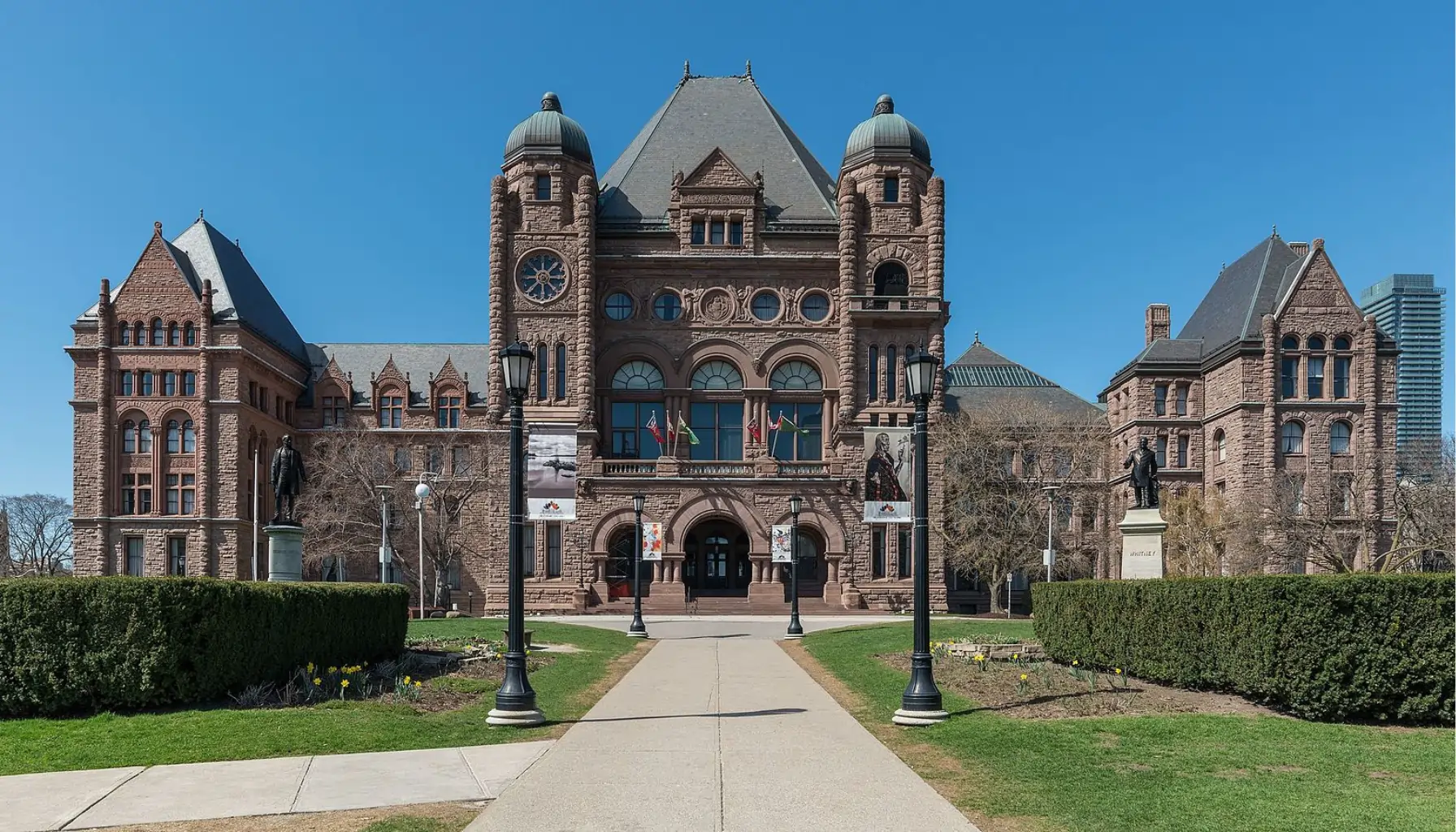
Ontario has led Canada in recognizing the rights of people with disabilities to participate fully in the public sphere without physical and social barriers. Human rights legislation, including the Ontario Human Rights Code, has identified disability as requiring protection from discrimination since the 1980s, but Ontario was the first jurisdiction in Canada to enact legislation making it mandatory for public and private services and facilities

CONTACT US

Get Free Initial Compliance Consultation

At Accessibility Partners, we specialize in ensuring compliance with accessibility standards. Let us handle all your accessibility needs efficiently, so you can focus on your core business. Trust our expertise to keep your organization accessible to all.

Email Address

Phone Number

Toll-Free

Trusted expertise in accessibility, innovation, and compliance.

Credentials

Copyright 2024 © All Rights Reserved