The internet has become a central part of daily life. From shopping and banking to education, healthcare, and government services, the web shapes how people live and work. For businesses, websites are often the first point of contact with customers and the primary way services are delivered.
However, not everyone experiences the web in the same way. For millions of people with disabilities, inaccessible websites create barriers instead of opportunities. This is why understanding why web accessibility is important is essential for modern businesses.
Web accessibility ensures that websites can be used by everyone, including people with visual, auditory, motor, and cognitive disabilities. When organizations prioritize accessibility, they improve usability, reach broader audiences, reduce risk, and create more inclusive digital experiences.
Accessible web design is not just a technical requirement, it is a key driver of equality, independence, and business growth.
What Is Web Accessibility and Who Needs to Comply With It?
Web accessibility refers to designing and developing websites, tools, and digital content so that all users can perceive, understand, navigate, and interact with them effectively. This includes people who rely on screen readers, keyboard navigation, captions, voice input, magnification, or other assistive technologies.
Understanding what web accessibility is and why it is important starts with recognizing who must comply. In Canada, many organizations are legally required to ensure their websites are accessible, including:
- Public sector organizations and municipalities
- Educational institutions
- Libraries and healthcare organizations
- Federally regulated industries
- Private businesses that provide goods or services to the public
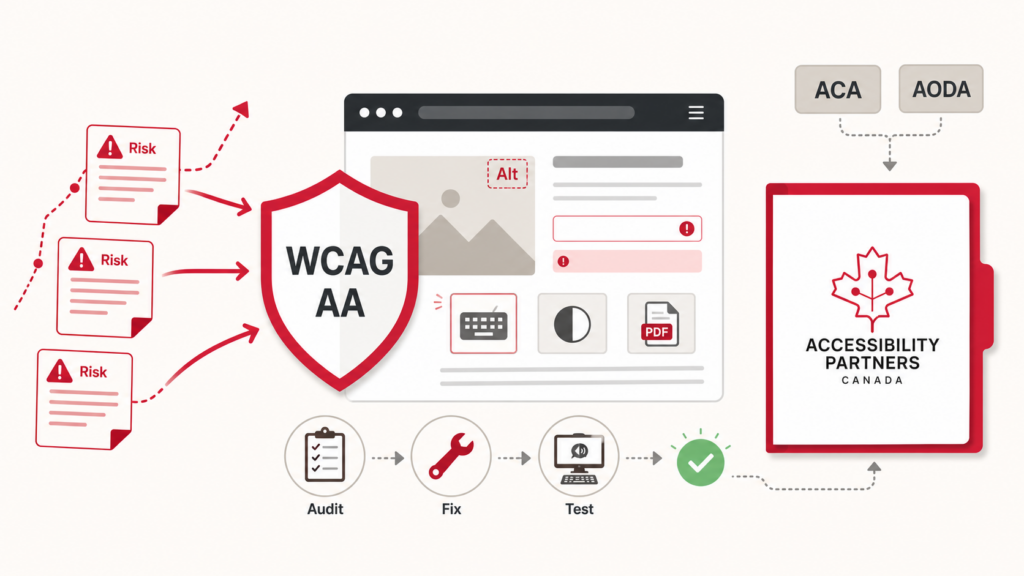
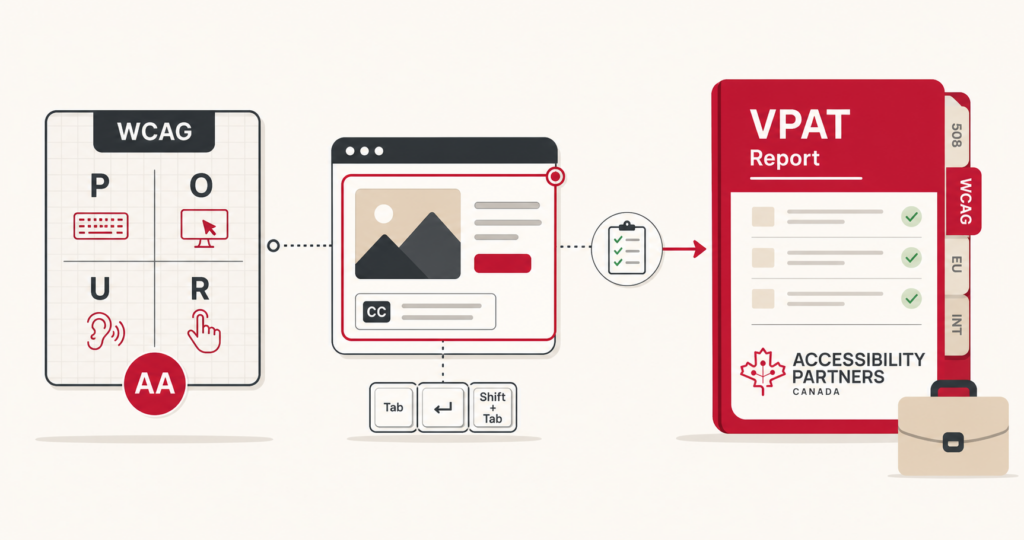
Accessibility requirements are guided by standards such as WCAG and enforced through laws like the AODA and ACA. Even organizations not explicitly regulated benefit from accessibility by improving usability, SEO performance, and customer satisfaction.
Common Barriers Users Face on Inaccessible Websites
Inaccessible websites create real challenges for users. Some of the most common barriers include:
- Missing alternative text for images
- Poor colour contrast between text and background
- Navigation menus that cannot be used with a keyboard
- Forms without labels or instructions
- Videos without captions or transcripts
- Confusing page layouts and inconsistent navigation
These issues affect people with visual, auditory, physical, and cognitive disabilities and prevent equal access to information and services.
5 Reasons Why Web Accessibility Is Important
Web accessibility delivers value far beyond compliance. Here are five key reasons why accessible websites matter.
1) Web Accessibility Is a Matter of Inclusivity
Accessibility allows people with disabilities to participate fully in the digital world. Features such as alt text for images and captions for videos support users who are blind, have low vision, or are deaf or hard of hearing.
Other disabilities also impact web use, including:
- Motor impairments that limit mouse use
- Cognitive conditions that affect focus or comprehension
Accessible websites promote equality, diversity, and inclusion by ensuring everyone can access the same information and services.
2) Web Accessibility Improves the User Experience for Everyone
Improving web accessibility creates a better experience for all users, not just people with disabilities.
For example:
- Captions help users watching videos in noisy environments or on mute
- Clear navigation benefits users on mobile devices
- Descriptive links and headings help users find information faster
WCAG identifies common accessibility failures such as low contrast text, missing alt text, empty links, and unlabeled form fields. Addressing these issues improves clarity, usability, and engagement for all visitors.
3) Web Accessibility Improves SEO and Reduces Maintenance
Accessible websites are easier for search engines to crawl and index. Structured headings, descriptive links, and text alternatives improve discoverability and ranking.
Approximately half of website traffic comes from organic search. By implementing web accessibility features, businesses improve SEO while reducing the need for costly redesigns or retroactive fixes later.
Accessibility and SEO work together to create clean, maintainable, and high-performing websites.
4) Web Accessibility Supports Legal and Regulatory Compliance
Web accessibility is also a legal responsibility. Many laws require organizations to make their websites accessible, including:
- Accessibility for Ontarians with Disabilities Act (AODA)
- Accessible Canada Act (ACA)
- Accessibility for Manitobans Act (AMA)
These laws are aligned with WCAG standards and aim to ensure people with disabilities can access digital information, services, and products without barriers.
Failing to comply can lead to complaints, penalties, or reputational harm.
5) Web Accessibility Broadens Your Customer Base
Accessible websites reach more people. Individuals with disabilities represent a large and often overlooked market segment with significant purchasing power.
As online shopping, learning, and service delivery continue to grow, accessibility ensures that people with disabilities can fully participate in digital experiences whether that means purchasing products, enrolling in courses, or accessing essential services.
This is a key reason why website accessibility is important for long-term business success.
Practical Steps to Get Started With Accessibility
For organizations beginning their accessibility journey, a structured approach helps ensure long-term success. Many organizations also work with professional web accessibility services in Toronto to identify barriers, implement remediation strategies, and maintain ongoing compliance with accessibility standards.
Key steps include:
- Conduct an accessibility audit to identify existing barriers
- Prioritize issues based on impact and critical user journeys
- Remediate accessibility barriers using WCAG guidelines
- Test with assistive technologies such as screen readers and keyboard navigation
- Monitor and maintain accessibility as content and features evolve
Following these steps allows businesses to realize the benefits of implementing web accessibility features while reducing risk and improving usability.
Conclusion
Understanding why web accessibility is important is essential for any organization with an online presence. Accessible websites improve inclusivity, user experience, compliance, SEO performance, and business growth.
By investing in accessibility, you create a digital environment where everyone can participate equally.
Book a web accessibility audit today and take the first step toward an inclusive website.